

ADRIANO PIAZZESI
1923 - 2009

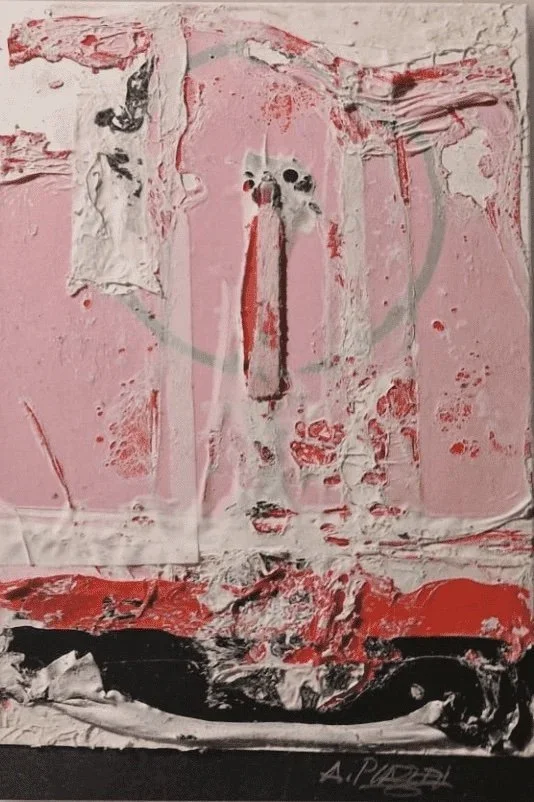
Adriano Piazzesi, early abstract artwork, 1944
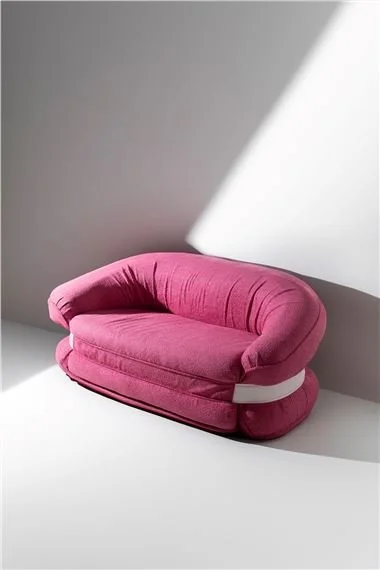
ADRIANO PIAZZESI
Adriano Piazzesi was born in Florence in 1923. From a young age he was known as a free thinker and truant, and at just fourteen years old he abandoned his high school studies to attend the prestigious Accademia di Belle Arti in Florence. He was talented, particularly with an extraordinary ability as a freehand painter, and thrived in the nonconformist environment. Under the mentorship of Angelo Crepet (a poet and artist born in 1885) he learnt traditional water colour techniques historically used to depict an idealised Italy - one of colourful cities, rural scenes and farmland vistas.
Despite his love of art school, Piazzesi lived under the confinements of Mussolini’s fascist rule - and the Italy he painted so beautifully was not the Italy he lived within. At the same moment Piazzesi began to feel disillusioned by his practice, a reactionary artistic movement emerged in Italy - that of Abstract painting. This revolutionary medium was regarded as a powerful rejection of the fascist regime and its associated cultural ideals. In the aftermath of the war, movements like Informale and Arte Povera sought to break entirely from reality and societal structures, focusing on non-figurative forms, signs and materials to express the post-war trauma and a desire for a new beginning. For Piazzesi, the substitution of watercolours and accurate depictions of the visual world for lines, shapes, colours, and forms was a way to express emotions, ideas, and his subjective experience.
It was in the late 1940s that Piazzesi finished his degree in Architecture. At this time, Italy's architectural scene was separated into two major movements: the La Tendenza - a neo-rationalist movement which exalted memory and the historic urban fabric of Italy (in an attempt to reconcile the pre-war history of Italy with modernism) and the movement of Radical Design. The Radical design movement was anti-establishment, experimental philosophy that strove to break from both historic tradition and the confines of modernist thought. For Piazzesi such a culturally critical movement was in perfect harmony with his abstract and rebellious artistic practice.
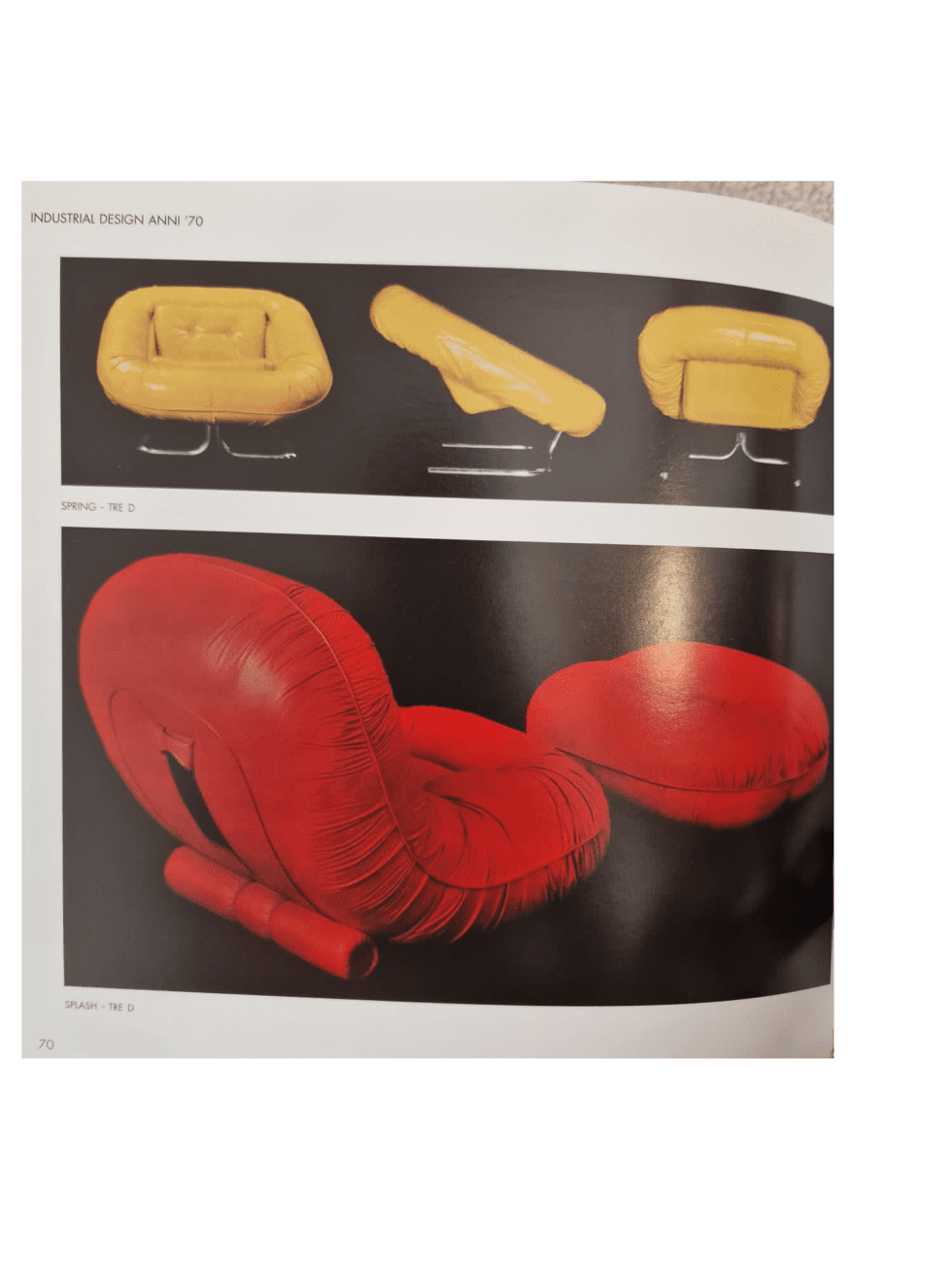
It was at this time, in 1960, that Piazzesi emerged in the world of furniture design. Combining architectural functionalities, radical design and his abstract artistic style, he designed some of the most recognisable pieces in Italian design. In 1972 he was invited to the prestigious exhibition "Italy: The New Domestic Landscape" hosted at New York's MoMA in 1972, where he presented the Premier armchair manufactured by TRE D, the OKAY Sofa manufactured for TRE D, and the Splash and Spring armchairs manufactured by Harvey Probber. In the wake of this exhibition, Piazzesi received numerous awards and accolades, including the prestigious Compasso d'Oro award.
KEY DESIGNS:
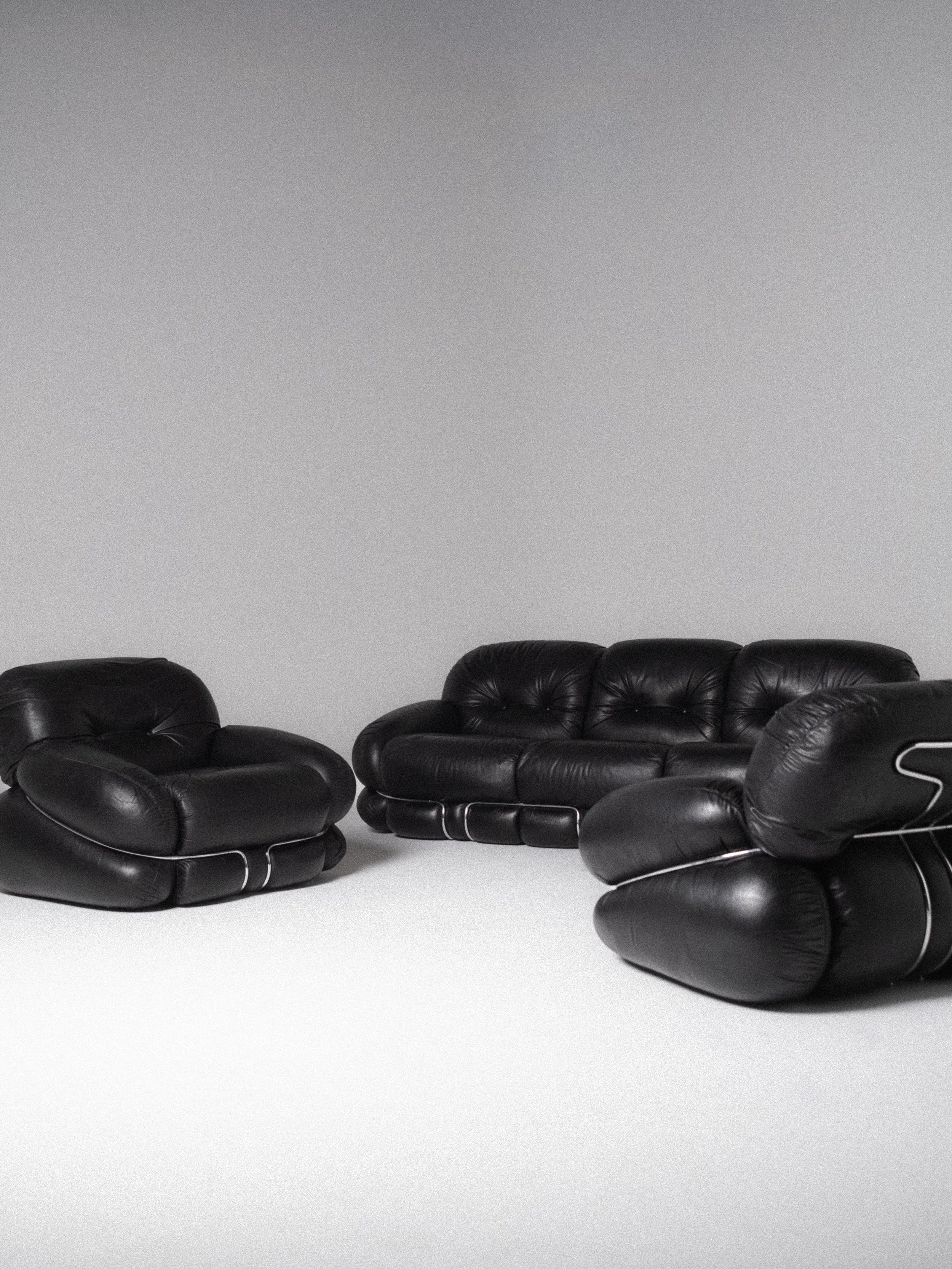
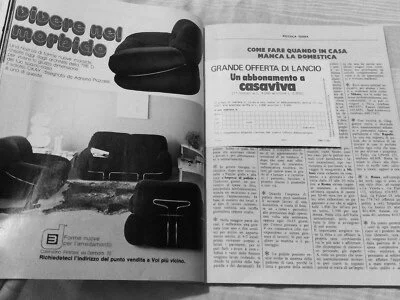
"Okay" Sofa and Armchairs
Description: This is Piazzesi's most recognized work and an icon of Mid-Century Italian design. The collection includes three-seater sofas, two-seater sofas, and armchairs.
Design Details: The pieces are noted for their playful yet refined look, featuring soft, rounded silhouettes, often upholstered in luxurious materials like velvet or leather, and a distinctive chrome or steel frame/detail that runs around the chair or base.
Manufacturer: They were designed by Piazzesi for the Italian manufacturer Tre D (also associated with Saporiti) in the 1970s.
"Tumble" Lounge Chair
Description: The "Tumble" is another well-known design, often offered with an accompanying ottoman.
Design Details: This chair features a unique design with a leather or fabric seat and a notable stainless steel back structure, embodying the Space Age aesthetic of the era.
Manufacturer: It was manufactured by Tre D in Italy, circa 1973.
"Flexa" Recliner
Description: The "Flexa" is a recliner model that demonstrates Piazzesi's focus on the relationship between the object and the user, incorporating groundbreaking ideas about movement and relaxation.
Design Details: This piece is a patented design, unique to the manufacturer, and showcases an innovative approach to adjustable comfort.
Manufacturer: It was produced for the company Arketipo in 1987.
"Loft" Sofa
Description: The "Loft" sofa is another piece highlighted for its innovative design, specifically concerning how it interacts with space.
Design Details: It features an unconventional backrest design, showcasing how space can be engineered within the furniture itself.
Manufacturer: This piece was also designed for Arketipo