

GAE AULENTI
1916 - 2001
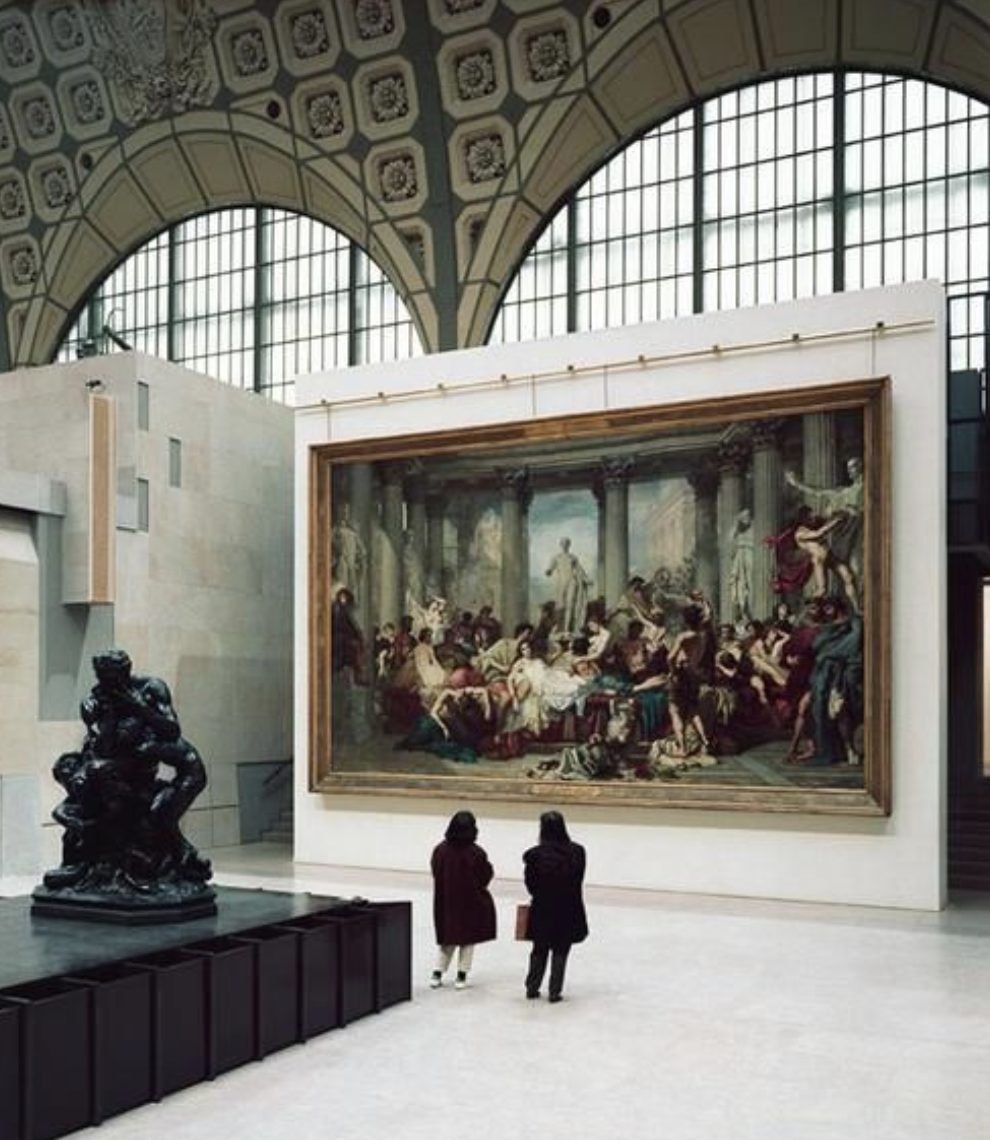
Interior design for Musee D'orsay Paris designed by Gae Aulenti 1986
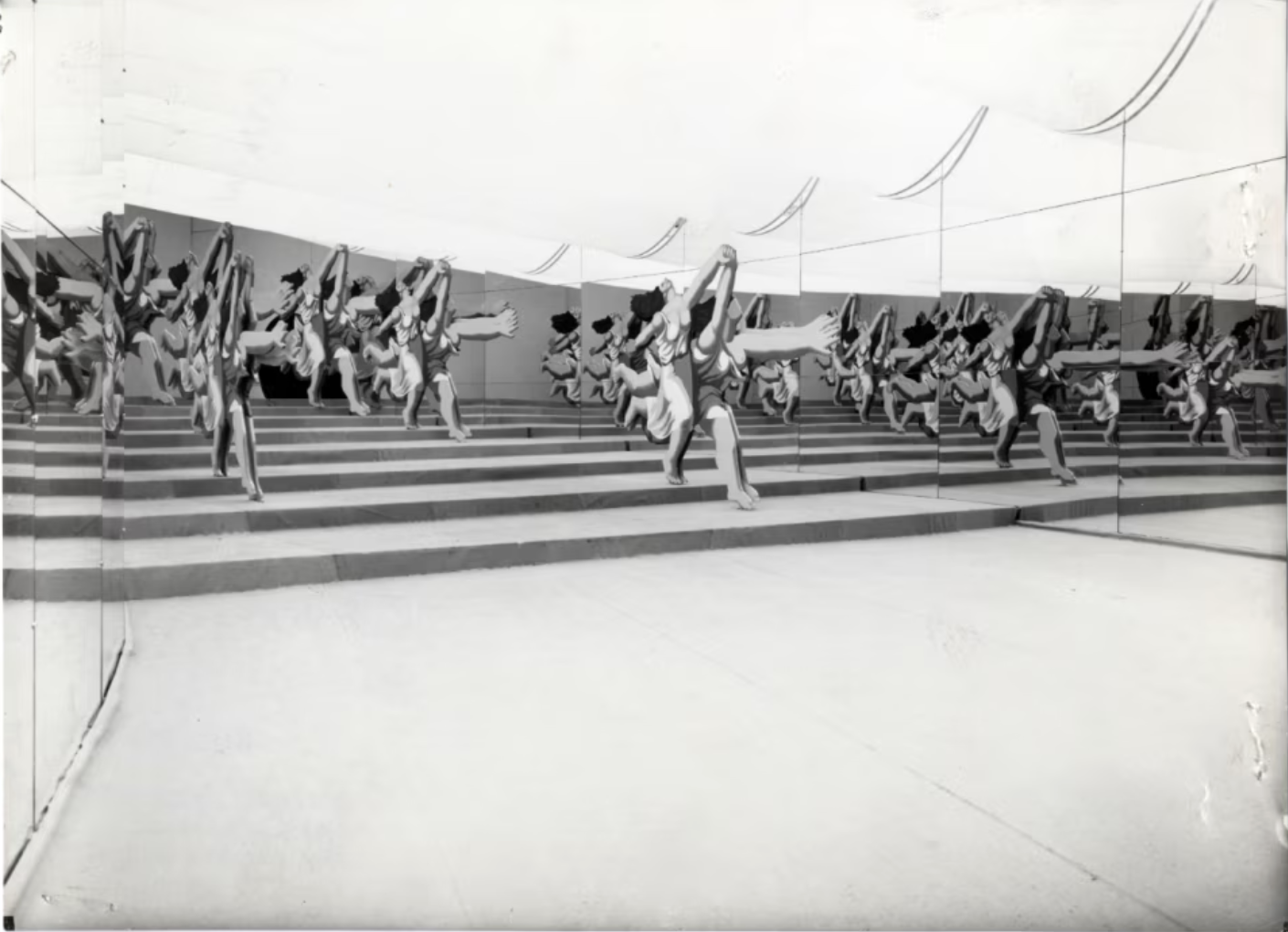
The arrival at the sea at the 13th Milan Triennale, 1964. The Milan Triennale
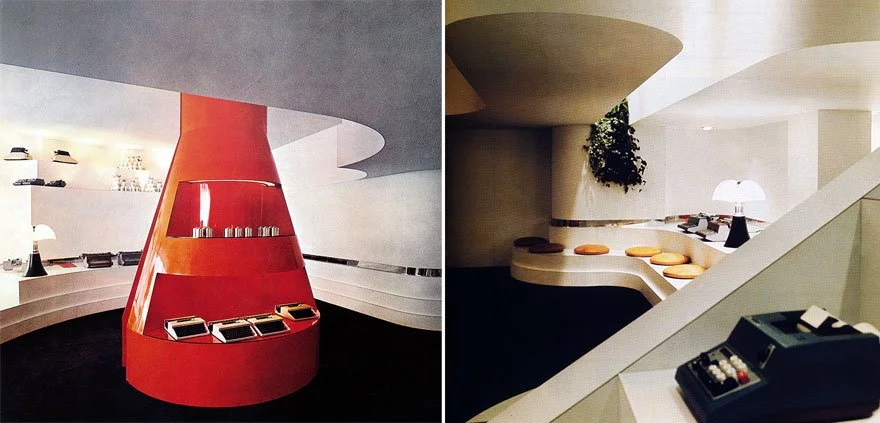
Olivetti store in Paris, designed by Gae Aulenti 1967. Photo curtesy of Marchi Rolly, from the pages of Domus 452
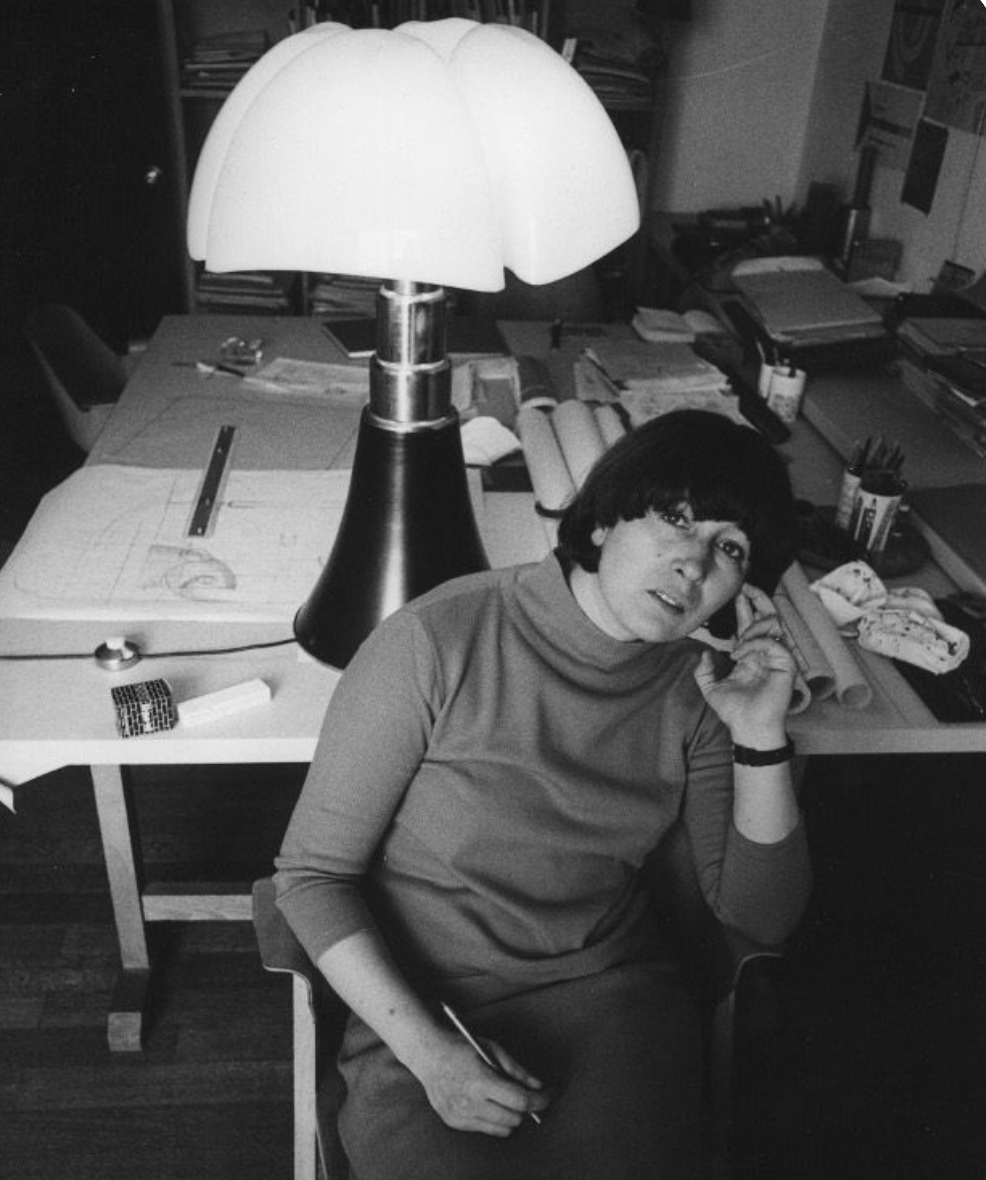
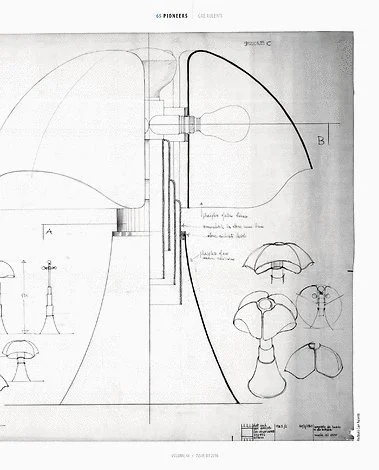
Pipistrello lamp designed by Gae Aulenti manufactured by Martinelli Luce 1960- 1969

Piazzale Cadorna, Milan. Photo Guia Sambonet. ©Electa
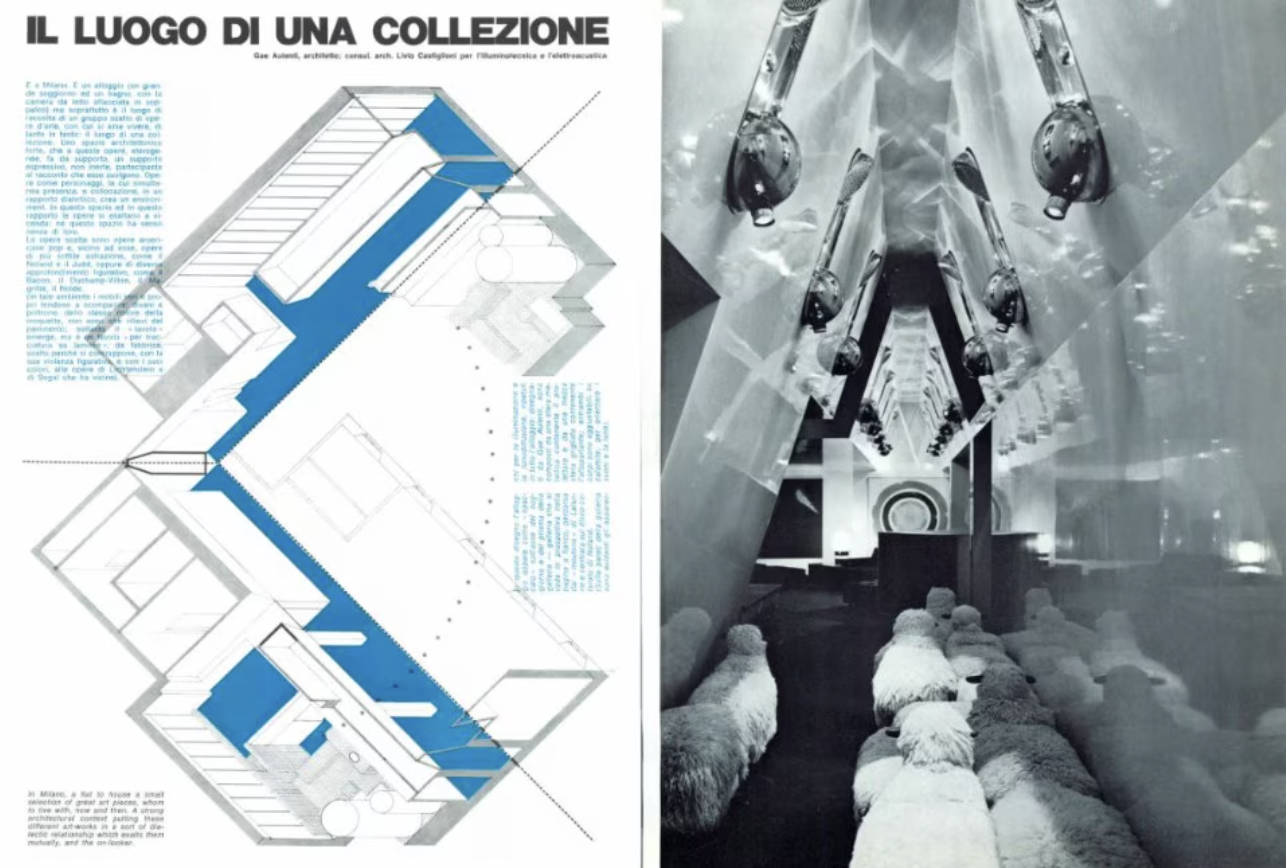
"A house for an art collector" Agnelli apartment by Cini Boeri 1970
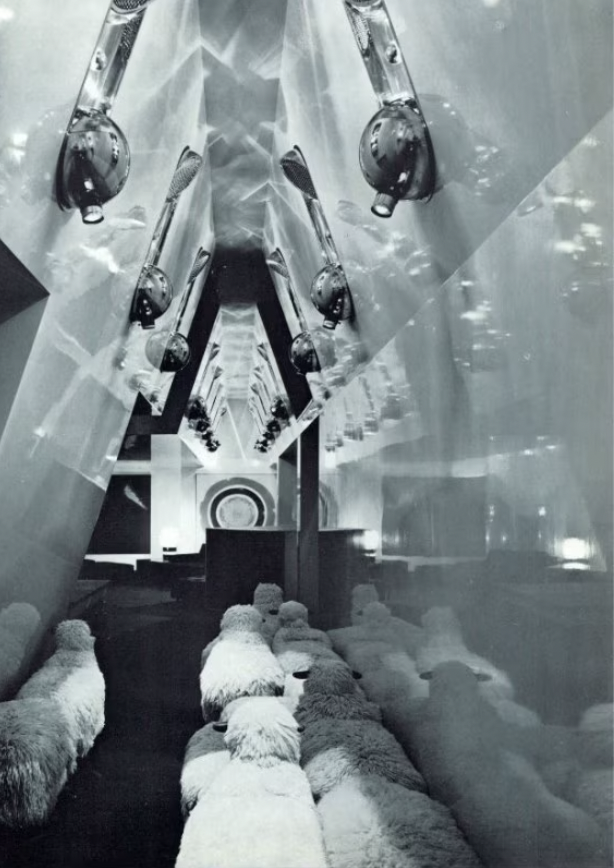
The house of the Art collector - The Agnelli apartment designed by Gae Aulenti
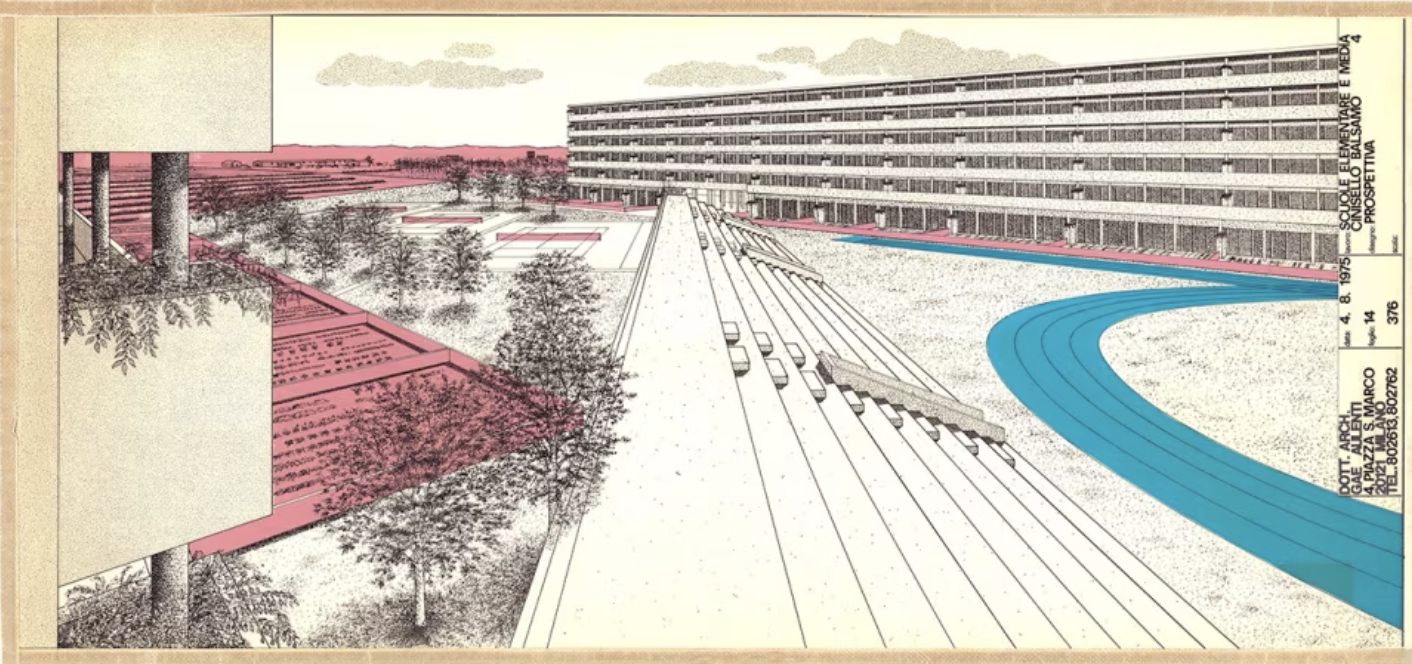
School in Cinisello Balsamo, 1975 Photo curtest of AGA, Italy
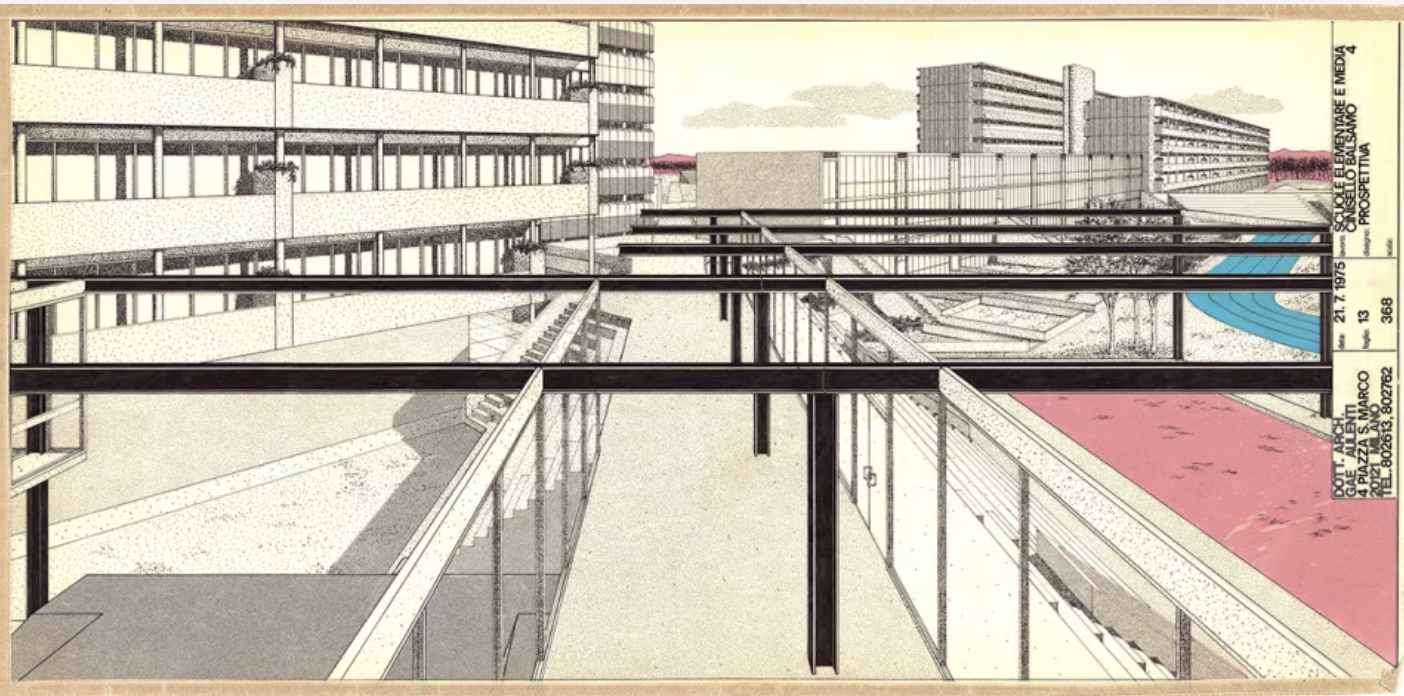
School in Cinisello Balsamo, 1975 Photo curtest of AGA, Italy
GAE AULENTI
Gae Aulenti is a prolific Italian architect and furniture designer best known for transforming Paris’ Gare d’Orsay railway station into the Musée d’Orsay, as well as her design collaborations with Olivetti, Fiat, Louis Vuitton, Knoll, Zanotta and Kartell (to name but a few). Inspired by Le Corbusier, Aulenti sought to stand out against the dominant Modernist aesthetic of “less is more” and instead encouraged individual expression in her furniture designs, industrial designs and architecture.
Aulenti grew up near Trieste, Italy, and decided to study architecture as a way to resist her parents’ desire that she become a “nice society girl.” In 1954 she was one of two women to graduate from the Milan Polytechnic School of Architecture, permanently quashing her parents’ socialite dreams. It is clear that even early in her life Gae Aulenti was a woman of dogged determination - working against cultural norms to defy convention and expectations.
Finishing University the post war period, Milan still bore the scars of World War Two. Years of heavy bombing and artillery had damaged or destroyed thousands of buildings, so much so that in the post-war clean up an artificial mountain – Monte Stella – was erected from the debris. It was in this context that Gae Aulenti entered her architectural career - and as such her motivation for becoming an architect was a practical one; she saw it as a useful profession in reviving post-war Italy.
Upon graduating she and her peers were enamoured with the “Neo Liberty” movement. The Neo Liberty sought to stand out against the dominant Modernist aesthetic of the 1960s- rejecting its rigid, monotonous, functionalist approach and instead championing the revival of local building traditions, individual creative expression, and the return of ornamentation. In March 1960, in Milan, the Osservatorio delle arti industriali, organised the Nuovi disegni per il mobile italiano (New Designs for Italian Furniture) where Gae Aulenti presented her “Sgarsul,” rocking chair. The Sgarsul, which translates to “street urchin” in the Neapolitan dialect, was a modern reimagining of Thonet’s 1862 rocking chair No. 1. Featuring a sinuous frame made of curved and stained beech wood, comfortable polyurethane padding, and sophisticated leather upholstery it was designed to need as few stitches as possible. Its clear nod to the Thonet model embodied Gae Aulenti’s innovative approach to design – not as a rejection of the past, but as a creative and inventive dialogue with it.
It was soon after this exhibition that Gae Aulenti designed The Pipistrello lamp which has become an enduring symbol of Aulenti's rebellious and independent attitude. Released in 1963 for Martinelli Luce, the lamp takes its name from the shape of the white opal methacrylate diffuser, which recalls the wings of a bat. The structure is completed by a small, but at the same time ingenious detail: the telescopic steel stem that allows it to extend 20cm, converting it, depending on the needs, into a table lamp or a floor model. It is evident in all of Gae Aulenti’s designed that although she worked in an era ruled by a rationalist, macho and no-frills aesthetic, her unique ability to merge features of the Neo-Liberty movement as well as an reinterpretation of Art Nouveau created objects that could be both nostalgic and futuristic.
Despite practicing as a woman in a male dominated design world, Gae Aulenti was revered. Perhaps the greatest example of her impact on the Italian design scene was her being the only female designer included in the landmark 1972 exhibition at MoMA: Italy: The New Domestic Landscape, curated by architect Emilio Ambasz. Here Gae Aulenti exhibited ‘the House Environment’, a segmented room featuring abstract, architectural pyramid-like furniture that acted as buildings on a skyline, reflecting her idea of integrating design with the overall architectural space to create experience, not just objects. She challenged the traditional concept of separate furniture pieces and instead presented how design could form a holistic, interactive setting.
Her later career included some of Italian designs most iconic pieces. Experimenting with glass, steel and marble she created the Sgarsul armchair for Poltronova, the Jumbo table for Knoll, the April folding chair for Zanotta, Table with wheels and the Giova and Rimorchiatore lamps for Fontana Arte. Beyond furniture and industrial design, Gae Aulenti was commissioned in 1981 to transform the former Gare d'Orsay railway station in Paris into a museum, a project completed in 1986 that earned her international acclaim.
Gae Aulenti died on October 31, 2012 in Milan, Italy. Her works are in the collection of The Museum of Modern Art in New York, among others, and her avant-garde legacy lives on in her restorations and transformations of the Centre Georges Pompidou in Paris and Palazzo Grassi in Venice.
KEY DESIGNS:
Pipistrello Lamp: A classic design for Martinelli Luce, known for its bat-wing shape and telescoping stem.
Atollo Lamp: A symbolic representation of concept design.
Pileino Lamp: Designed for Artemide in 1972.
Ruspa Lamp: A modular group of four lights with adjustable direct and indirect lighting.
Girasole Floor Lamp: Featured clear plastic semicircles around a central spine.
Furniture
Tavolo con Ruote (Table with Wheels): A glass-topped table on casters that became a defining piece of 1980s design.
Locus Solus Series: A collection of outdoor furniture, including chairs, sofas, and tables, initially made of tubular steel and later reissued.
April Folding Chair: A stainless steel folding chair with a removable cover, designed in 1964.
Sanmarco Table: A plate-glass table designed in 1984.
Jumbo Coffee Table: A massive marble table for Knoll.
Infinito Bookcase: A design that defies gravity.
Architectural and interior design
Musée d'Orsay: Her transformation of a former train station in Paris is one of her most famous projects.
Palazzo Grassi: Renovation of the building in Venice.
Asian Art Museum: The renovation project in San Francisco.
Piazzale Cadorna: A public square in Milan.
Italian Institute of Culture: Designed for Tokyo.
Olivetti Showroom: Designed for Venice, Turin, Zurich, and Brussels.
Fiat Showrooms: Designed for Turin, Zurich, and Brussels.
COLLABORATIONS:
Olivetti: Designed showrooms and offices both in Italy and abroad, including the Olivetti Showroom in Venice.
Fiat: Commissioned for showrooms and exhibitions.
Max Mara: Partnered on various projects.
Knoll: Designed showrooms in Boston (1968) and New York (1970).
Guzzini: Collaborated on the "Cestello" projector, a significant lighting project.
FontanaArte: Served as the art director and designed many products.
Artemide: Created iconic lamps like the "Pipistrello" and "Ruspa".
Kartell: Produced furniture pieces.
Zanotta: Developed furniture designs.
Martinelli Luce: Designed lamps, including the "Pipistrello".